
How Ukrainians Assess the Protection of Children’s Rights: Blagomay Charity Fund Presents the Results of a Comprehensive Study
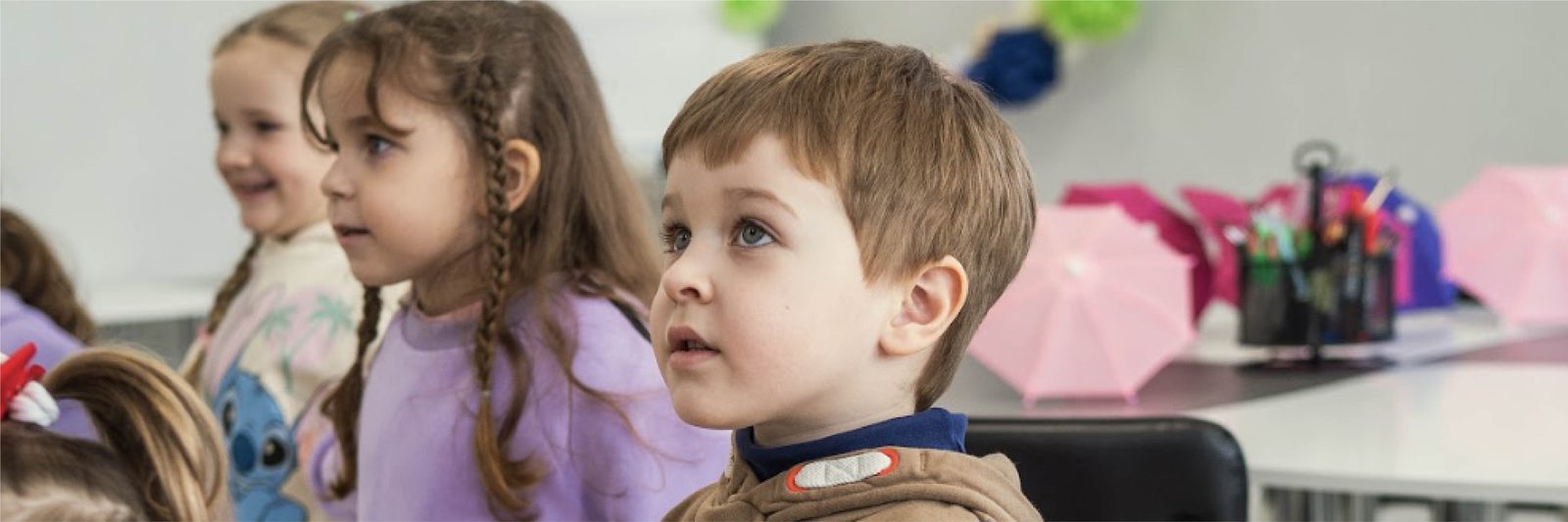
The Blagomay Charity Fund has presented the results of a comprehensive sociological study on the protection of children’s rights in Ukraine. The research assessed public awareness of children’s rights, identified the key challenges to their implementation, and outlined priority areas for improvement.
The findings revealed that only 25.3% of Ukrainians are well familiar with the UN Convention on the Rights of the Child. Meanwhile, 61.4% have heard of the Convention but are not familiar with its content, while another 13.3% learned about the document for the first time through the survey. These results highlight the need for more systematic education and awareness-raising among children, parents, and society regarding children’s rights and the mechanisms available to protect them.
Although respondents generally recognize the importance of children’s rights, most believe that these rights are not fully realized in practice. Only 10.3% of those surveyed believe that children’s rights in Ukraine are fully protected, while 50.5% think they are mostly protected and 22.4% believe they are mostly not protected.
According to respondents, the best-protected rights are:
- the right to education and development — 62.6%;
- the right to healthcare — 47.5%;
- the right to physical safety in everyday life — 45%.
At the same time, the most significant challenges relate to:
- children’s safety during wartime — 50.5%;
- children’s physical security — 40.4%;
- the right to education and development under wartime conditions — 28.1%;
- protection from discrimination and violence — 22%.
One of the study’s most pressing findings concerns children’s mental health. Twenty-five percent of parents reported being very concerned about their child’s psychological well-being, while another 42% said they were somewhat concerned. Overall, more than two-thirds of surveyed families acknowledge the impact of war, stress, and uncertainty on children’s emotional well-being.
The study also identified a public demand for a better balance between children’s rights and responsibilities. Only 25% of respondents believe that Ukraine has an appropriate balance between the two, while a significant share perceive an imbalance—either excessive emphasis on responsibilities or excessive focus on rights without sufficient understanding of accompanying responsibilities.
Special attention was also given to children’s awareness of their own rights. According to respondents, children generally know that they have rights but often lack an understanding of what those rights mean, how they can be exercised, and how they relate to personal responsibility. Schools, the internet, social media, and families remain the primary sources of information about children’s rights.
Based on the findings, experts developed a set of recommendations for government institutions, civil society organizations, businesses, and donors. The key priorities include expanding accessible child rights protection mechanisms, providing practical education on children’s rights, strengthening psychological support services, and fostering greater cooperation between the government, civil society, and socially responsible businesses.
The study once again confirms that children’s rights are not merely legal principles—they represent every child’s real opportunity to live in safety, receive quality education, be heard, and access support during difficult life circumstances.
Children’s rights begin with safety, trust, and adults who are willing to listen.
This project is implemented by the Blagomay Charity Fund with financial support from the Federal Foreign Office of Germany and under the coordination of Help – Hilfe zur Selbsthilfe and the Help Localization Programme.
Support our work
Every action matters. You can make a difference right now - support our initiatives and help transform the lives of children in Ukraine 💛
Donate